Jia Wood Day Master: Meaning, Strength, and How to Look It Up
A Jia Wood Day Master is the yang wood Heavenly Stem on the day pillar of a Four Pillars (BaZi) chart. Jia (甲) is the first of the ten stems, pictured as a tall tree, timber, a pillar. Confirm that the day stem is Jia on the English BaZi Calculator before any seasonal-strength talk. Year, month, and hour stems do not retitle the chart.
What yang wood names on a Jia Wood Day Master
Jia (甲) is yang wood, the opening stem in the sequence 甲乙丙丁戊己庚辛壬癸. Its yin partner is Yi (乙). Both stems belong to wood, so beginners collapse them into one “wood person.” Jia is the forest tree: a trunk, a beam, a mast. Yi is grass, vines, flowers. The image has to sit next to the month before anyone talks about 身强身弱.
Yang wood in this teaching takes water from below, puts out a canopy, and meets metal as a blade. Traditional notes weigh a Jia stem by whether the month lets that tree stand, drink, burn, or get cut. Keep the image large on purpose. The moment the prose turns to a born leader or a lucky career, it has left the stem and started inventing a person. The day-stem label is Jia only when the day stem itself is Jia.
Which folk notes attach to Jia, and how far they go
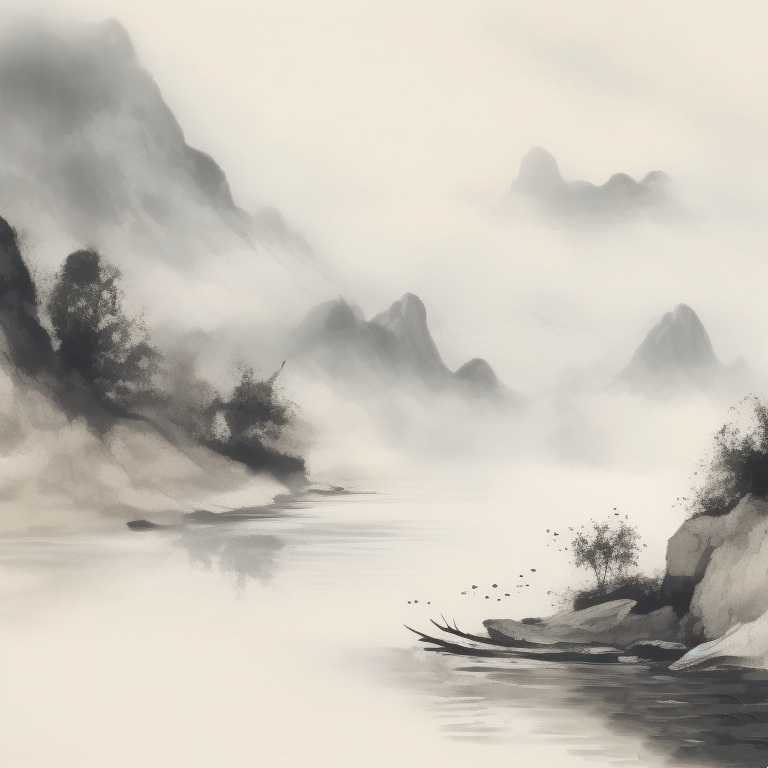
Almanac shops and household manuals often pin a character sketch to the day stem. For Jia, the usual folk list runs along the tree image.
- Upright speech and a dislike of being bent, as a trunk resists a rope.
- A wish to stand as a pillar in a family, a shop, or a team.
- A slower start in cold, dry months, and faster growth when water and spring wood sit nearby.
- A reputation for blunt honesty, which folk notes treat as bark.
These sentences are cultural summaries. They do not test a living person, grade a career, or rank a marriage. Two people can share a Jia Wood Day Master label and still keep different hours, months, and decades. If a book promises that Jia people must lead, must prosper, or must pass an exam, the book has left the chart. Keep the tree as a teaching picture, and keep the personality list as folklore parked beside it.
How month branches grade Jia wood
Once the day stem is Jia, traditional 身强身弱 notes follow the 月令, the earthly branch of the month pillar, counted by solar term, not by the numbered civil month. Spring wood months keep the tree in its own season. Water months feed it. Fire months spend it on heat. Metal months meet it as an axe. Earth months take growth into soil.
| Season | Month branch | Five-element role | Traditional reading for Jia |
|---|---|---|---|
| Spring | Yin / Mao (wood) | Same element | Tree in season — 身强, supported |
| Winter | Hai / Zi (water) | Water generates wood | Tree is fed — 印 |
| Summer | Si / Wu (fire) | Wood produces fire | Tree is spent on heat — 泄 |
| Autumn | Shen / You (metal) | Metal cuts wood | Tree meets the axe — 克 |
| Earth months | Chen, Xu, Chou, Wei | Wood produces earth | Tree is spent on soil — 耗 |
Read the table as climate, a stem-in-month judgment used to keep the rest of the chart in proportion. Support in spring means the month stands behind the tree; it is not a prize and it is not a lucky year. Autumn 身弱 means the month is working as metal. Neighboring water stems can still wrap the tree, so a single month stays a tendency. Solar-term boundaries sit inside Gregorian months, so late Chou and early Yin can flip the workshop while the phone still shows the same numbered month. The table grades Jia against the month.
How Jia wood sits beside Xin metal and Gui water
Metal cuts wood, and water generates wood, so two already-published English stems sit next to Jia as control and as source. Xin is yin metal, jewel-metal: foil, a needle, a coin. For the metal-wood contrast, use the existing Xin Metal Day Master page rather than restating that whole stem here. Xin as the metal that can cut; Jia as the tree that can be cut.
Gui is yin water, dew, mist, and fine rain. Water feeds wood, so Gui is the usual source note when a metal-water story sits upstream of Jia. For the water-wood contrast, use the existing Gui Water Day Master page: Gui as the dew that can feed, Jia as the tree that can drink. A Jia year with a Xin day is a Xin chart. A Xin year with a Jia day is a Jia Wood Day Master. Keep the day stem on the day.
How to spot Jia as the day stem
A BaZi chart is four columns: year, month, day, and hour, each with a Heavenly Stem on top and an Earthly Branch under it. The day master is the stem of the day column only. People reverse this constantly because the year animal is the piece they already know, so they promote the year stem into a job that belongs to the day. Plot the four pillars first, then read one character.
- Open the English chart tool and enter the civil birth date; include the clock time when you know it. Do not invent an hour.
- Find the day column, often the third in a year-month-day-hour row, and read only the Heavenly Stem on top.
- If that stem is 甲 / Jia, the chart is a Jia Wood Day Master. Read the month branch next, then stop.
Ten gods, luck pillars, and a full 身强 count need the rest of the eight characters. People born from 23:00 to midnight sit on a school boundary: many Four Pillars schools already count that stretch as the next civil day’s stem, because 子时 opens at 23:00. If the birth time falls there, check which rule the tool is using. Do not convert from the animal year and stop: the animal year is the year branch.
What a Jia Wood Day Master label cannot decide
A Jia Wood Day Master names the day stem and the tree image. It does not assign a character, a career, a marriage outcome, or a ranking of luck. Folk notes are cultural summaries parked beside the stem. Seasonal 身强身弱 grades the month command against that image. The tradition offers a shared language for reading a chart. It does not guarantee wealth, health, a passing exam, or a calm year.
Yang wood is a teaching image in the Four Pillars tradition. Jia is the first heavenly stem. Confirm the day stem, read the 月令, and leave luck claims in the drawer.
Take one judgment off the table: the label is yang wood on the day, and the month decides whether that tree is in season, fed, spent on heat, under an axe, or spent on soil. Plot the day stem, read the month branch, and stop there.
相关文章